Families in St. Louis, Missouri, are not exempt from the serious health risks that premature infants face in neonatal intensive care units. Missouri reports a preterm birth rate of approximately 11.0%, according to the March of Dimes, which assigned the state a “D-” grade for preterm birth in its 2023 Report Card. The CDC has identified Missouri’s NICU admission rate at 10.5% as of 2023, above the national average of 9.8%, with Midwest states broadly seeing rising NICU admissions over recent years. Nationally, necrotizing enterocolitis (NEC) affects roughly 2% to 5% of all premature infants and carries mortality rates ranging from 10% to 50% in severe cases, according to the National Institutes of Health. Premature babies are at greatest risk because immature intestines tolerate stress poorly and circulation to the gut can falter during illness.
When premature infants in St. Louis or elsewhere in Missouri develop NEC after being fed cow’s milk-based formula products such as Similac or Enfamil, families may have grounds to pursue a necrotizing enterocolitis lawsuit. Over 750 such lawsuits have been consolidated in a federal multidistrict litigation in the Northern District of Illinois, naming Abbott Laboratories and Mead Johnson as defendants. After discharge or loss, parents often revisit discussions about feeding selections, label language, and bedside judgment. Legal claims usually ask whether risk information was clear and timely and whether realistic options were offered.

Smiling African mother holding her 11 days old newborn baby
Why These Cases Are Being Filed
Parents are often informed after the crisis that prematurity raises intestinal vulnerability and that feeding source may shift risk. In that setting, a lawsuit may scrutinize whether warnings were readable, training materials reflected known concerns, and caregivers shared plain explanations before harm occurred. When surgery, bloodstream infection, or death follows, chart entries and counseling notes frequently shape questions about responsibility, consent, and avoidable exposure.
What the Injury Can Look Like Clinically
NEC begins with intestinal inflammation that can progress to tissue death, perforation, abdominal infection, and bacteria entering the blood. Signs may include belly distention, poor tolerance of feeds, blood in stool, temperature swings, and breathing pauses. Imaging may show gas within the bowel wall or portal venous gas, while labs can reveal falling platelets or rising inflammatory markers. Severe disease may require urgent surgery and extended intravenous nutrition.
Who Is Often at Higher Risk
Prematurity and very low birth weight remain the strongest predictors. According to the Centers for Disease Control and Prevention, NEC ranks among the 10 leading causes of infant mortality in the United States, and the percentage of very low birth weight infants who develop the condition holds steady at about 7%. Feeding without human milk is also discussed in clinical guidance as a contributor, alongside anemia, infection, congenital heart disease, and episodes of reduced intestinal blood flow. In litigation, these features shape arguments about foreseeability, reasonable safeguards, and whether added protections were warranted.
Potential Defendants in a Typical Claim
A claim may name manufacturers, distributors, hospitals, or clinicians, depending on where the alleged failure occurred. Product-focused allegations often examine label wording, promotional messaging, and whether safety signals were presented plainly for neonatal teams. Facility-focused allegations may examine feeding advancement rules, monitoring habits, and response speed once symptoms appeared. Multiparty filings are common, and each side may dispute who controlled key choices.
Key Questions About Warnings and Marketing
Warning disputes often hinge on clarity, visibility, and timing, not the amount of text. Did packaging or supporting materials communicate risk in direct language, with enough prominence to influence clinical decisions? Were messages aligned with published research on preterm feeding and bowel injury? Plaintiffs may argue softened statements limited informed consent. Defendants often reply that NEC has multiple contributors, and no single factor reliably predicts onset.
Medical Records That Usually Matter
Most cases rely on intensive care progress notes, feeding orders, nursing flow sheets, imaging reports, and laboratory trends. Documentation of abdominal exams, stool changes, and vomiting can help establish early signals. Radiograph timestamps, especially abdominal films, can anchor progression from mild concern to surgical urgency. Records also show who approved product selection, what alternatives were discussed, and whether feeds were adjusted when symptoms emerged.

Young mother holding her newborn child. Mom nursing baby. Woman and new born boy in white bedroom with rocking chair and blue crib. Nursery interior. Mother playing with laughing kid. Family at home
Proof, Causation, and Expert Review
Establishing a link between a specific product or clinical decision and a baby’s NEC diagnosis requires detailed medical analysis. Courts typically rely on expert testimony to bridge the gap between what happened clinically and what the evidence suggests should have been done differently.
How Experts Often Approach Causation
Expert reviewers usually assess gestational age, birth weight, infection history, transfusions, oxygen instability, and the full feeding sequence. Review also tracks symptom onset, bedside responses, and whether escalation matched accepted neonatal practice. Plaintiffs may argue a different plan would have reduced the chance of injury. Defense opinions often stress that NEC can occur despite attentive monitoring and that correlation alone does not prove direct causation.
Damages Families May Seek
Damages may include prior hospital charges, expected future medical care, rehabilitation, and expenses tied to lifelong disability. Non-economic awards may address pain, suffering, and loss of typical childhood experiences after prolonged illness. In fatal cases, wrongful death claims may include funeral costs and a family’s loss of companionship. Some complaints seek punitive damages, though availability depends on state law and evidence of reckless disregard for safety.
Why Timing and Deadlines Matter
Each state sets a filing window, and the start date can vary. Some families connect concerns to feeding products months later, after transfers, follow-up visits, or newly released safety updates. With time, records can be harder to obtain, and staffing patterns may shift. Early review helps preserve evidence, identify responsible parties, and reduce the chance of missing a deadline that can bar a claim.
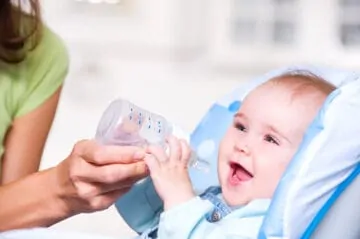
Mother giving the water to baby in the highchair in kitchen
Conclusion
NEC can leave families sorting clinical details while carrying shock, grief, and unanswered questions. A lawsuit may review warnings, bedside decisions, and the interval between early signs and definitive treatment. Evidence often centers on whether risk information was presented clearly enough to shape feeding choices and consent. No legal process restores what was lost, yet a careful review can help families seek accountability and secure support for ongoing care.