Driving on snowy roads is already very difficult even for the most experienced drivers. Without reliable tires, the journey becomes even harder. Studless tires are designed to address grip and traction issues often caused by snow or ice. That is where the right set of winter tires can make all the difference.
Studless tires provide better traction in cold weather without relying on metal studs. These tires use a specialized rubber compound, tread patterns, and small grooves to maintain grip in winter conditions. Here is everything you need to know about studless winter tires. Understanding how they work can help you decide if they are the right fit for your vehicle.
What Are Studless Winter Tires?
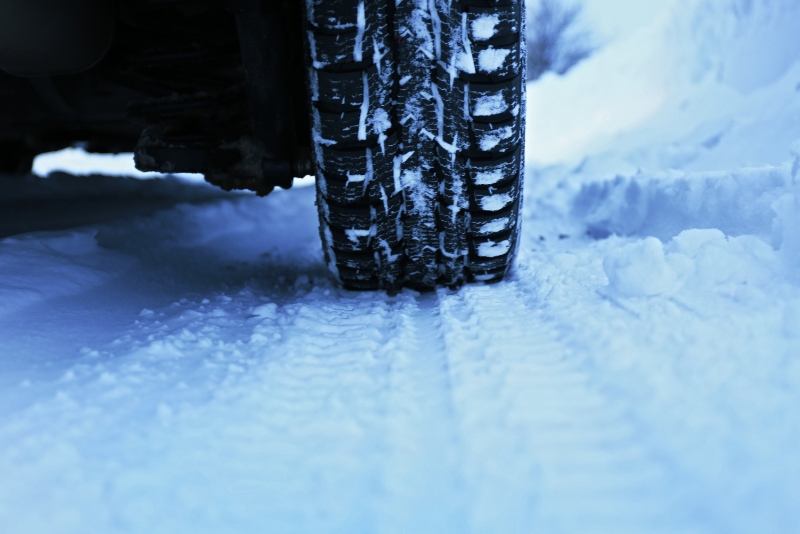
Studless winter tires are designed for cold temperatures, especially on snow-covered and icy roads. While studded winter tires have metal studs protruding from their tread, studless tires don’t. They are made of a specialized rubber compound and carefully designed tread patterns that improve contact and traction against slippery surfaces.
The rubber compound stays flexible and pliable even in freezing temperatures. This allows the tire to adapt to road conditions. Compared with all-season tires, studless tires use a special rubber compound that stays flexible in cold temperatures and reduces skidding. If you are planning a road trip this winter and traveling with your family, studless tires are a good investment.
How Do Studless Tires Work?
Driving on snowy winter roads is dangerous without the right tires. Most vehicle owners have a common question about studless tires. If there are no metal studs, how do these tires maintain grip and traction? The tires are designed through a combination of flexible rubber, carefully designed tread geometry, and high siping density that make them suitable for snow-covered roads.
The Rubber Is Pliable Even in Cold Weather Conditions
Studless tires use a specific rubber compound that helps them remain pliable and flexible even in extreme cold. On the other hand, all-season tires are designed for warm weather and moderate snow conditions. These tires generally have a threshold of 44°F, and below this temperature, the vehicle becomes difficult to maneuver.
High-Density Sipes on the Edges Create Additional Traction
Sipes are narrow slits that are cut into tread blocks. When the tires come in contact with snow, the high-density sipes open up and prevent the vehicle from sliding. Some high-density sipe tires can also absorb water, which can be beneficial if you are driving in wet conditions. This additional grip supports more controlled braking and acceleration during the winter months.
The Tread Design Improves Ice and Water Maneuvering
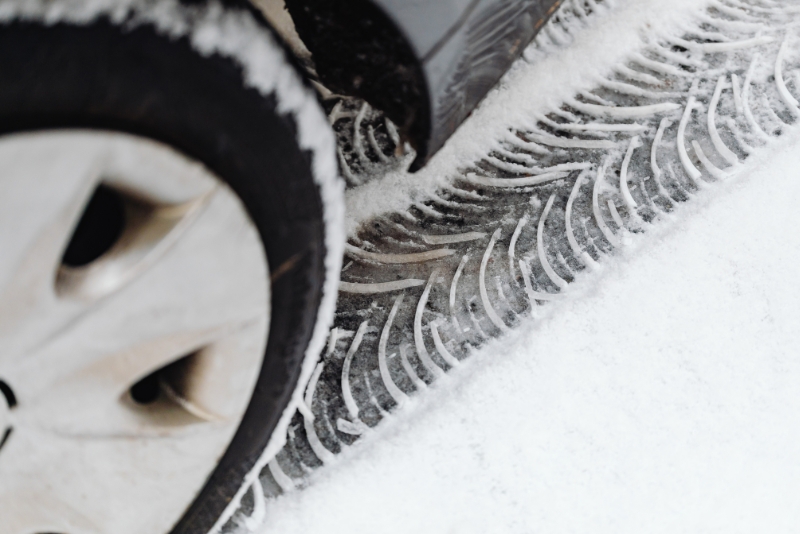
Studless tires have different tread patterns that help the tires grip better. While driving on snow, you may encounter a layer of ice and water. To carefully maneuver through this, you need friction and pressure. The treads are made of porous or multicell rubber that absorbs water present in thin layers of ice better. Also, the tread patterns can collect and release snow better as the tire rotates. This is beneficial when traction and grip are your priorities while driving.
Difference Between Studless and Studded Tires
Both studless and studded winter tires are designed to help your vehicle perform better during cold weather conditions. But they use different technologies to maintain grip in snow and ice. Let us look at the different mechanisms that both these tire designs use:
Traction on Snow and Ice
Small metal studs that protrude from the tread and grip the ice are employed in studded tires. In order to preserve traction, studless tires utilize a specialized tread design, high-density sipes, and a flexible rubber compound.
Noise and Driving Comfort
The metal studs that make contact with the pavement are the reason why studded tires generate more noise on the road. In general, studless tires offer a more comfortable and quieter driving experience, particularly during winter travel.
Impact on Road Surface
The pavement may be damaged by studded tires. They are characterized by metal studs that protrude from the asphalt, resulting in surface deterioration. The engineered rubber tread provides traction and grip, which is why studless tires are more popular.
Choosing the Right Tires
Both studded and studless tires improve traction in cold weather. Now, which one you must choose depends on your local climate, driving frequency, and legal requirements.
The longevity of tires depends on your driving habits and maintenance. So, whichever option you choose, you must maintain proper tire pressure, monitor tread wear, and adjust your driving speed and techniques based on the road conditions.