Most moms already run two budgets. One covers the kids and the mortgage. The other lives in your head. For many of us, that second list now includes a parent who lives alone, often in another country.
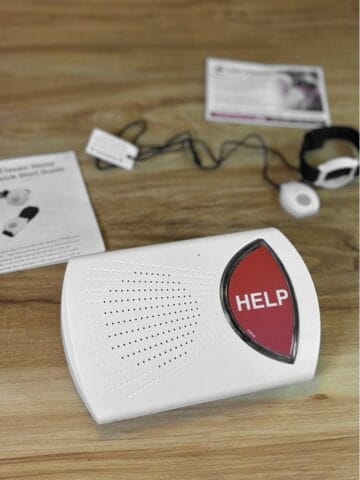
Image courtesy of Life Assure
A white home alert base unit with a large red HELP button on a wooden table, with a white pendant on a cord, a wristband and a quick start guide behind it
If your mom or dad lives in Canada, a medical alert necklace is one of the cheaper ways to buy peace of mind. Life Assure provides these devices to seniors across Canada. Life Assure is a Canadian company, and its monitoring service is available to customers in Canada only. That makes it a fit when the parent lives there and you pay from here.
Why Does a Parent’s Safety Belong In Your Family Budget?
Because it is already costing you something. You just pay in sleep, phone calls and the knot in your stomach when your parent does not pick up.
Putting the cost on paper turns a vague worry into a line item. A line item can be planned, shared and reviewed. A worry just sits there.
There is a hard financial reason too. The Canadian Centre for Caregiving Excellence surveyed more than 2,600 caregivers for its Caring in Canada 2026 report. It found 49% face financial strain, and more than 20% have stopped saving entirely. A small monthly fee that helps you avoid one panicked flight to Canada is worth planning for.

What Are You Actually Paying For?
Before you price anything, know what the monthly fee covers. Based on Life Assure’s necklace page, the service includes:
- A water-resistant pendant your parent wears around the neck.
- Two-way voice, so your parent can talk through the device itself.
- A monitoring center that never closes, every day of the year.
- Optional fall detection as an upgrade.
- Free shipping to your parent’s door.
The person who answers is one of the company’s Medical Alert Specialists. Each specialist can talk with your parent and coordinate with first responders. That human answer is what the fee really buys, far more than the pendant.
How Do You Build a Sinking Fund for Elder Care?
A sinking fund is money you set aside in small amounts for a cost you know is coming. Moms use them for Christmas, school shoes and car repairs. Elder care deserves one too.
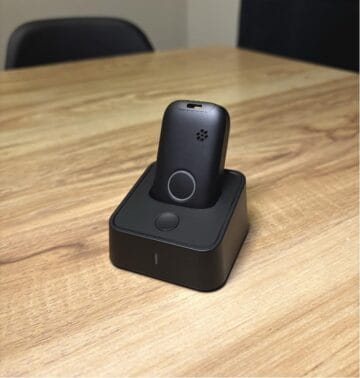
Image courtesy of Life Assure
A black mobile alert device with a round button standing upright in its black charging cradle on a wooden table
Start with the real numbers. The National Institute on Ageing offers a free Cost of Ageing Calculator that estimates the yearly cost of growing older in Canada. You choose household size, housing, home care hours and region. It takes less than a minute, and it reframes a small alert fee next to the bigger picture.
Then fold the alert fee into your plan:
- Treat the monthly fee like your other fixed costs, not a “maybe” expense.
- If you are paid twice a month, split the fee across both paychecks.
- Add a small buffer for a later fall detection upgrade.
- Review the fund every January when you rebuild your yearly budget.
Side income makes this easier. Many moms earn a little each month from blogging, surveys or reselling toys. Assign that money a job. Route the first share of each payout into the elder care fund before it blends into groceries.
If you already follow a system, slot it in there. A guide on how to budget as a stay-at-home mom can help you find the room. Often a single streaming plan you never watch covers most of the gap.
Which Necklace Setup Fits Your Parent’s Week?
The necklace page lists two setups, one for home and one for the road. Picking the right one stops you paying for features your parent will never use.
The Classic Home system pairs the pendant with a base unit. It works up to 600 feet from that base and has up to 80 hours of backup battery. It suits a parent who mostly stays home, gardens and has groceries delivered.
For a parent who gets out, the Premium Mobile Plus uses cell coverage plus GPS to share their location. It suits a parent who still drives, walks to church or catches the bus. As long as there is cell service in Canada, help can find them.
Ask your parent three questions on your next video call:
- How many days a week do you leave the house alone?
- Where would you be if you fell today?
- Will you charge a device every night, or forget?
Their answers point to the right setup. A homebody needs the home unit. A busy parent needs the mobile one.
How Can You Split the Cost With Siblings?

Money between siblings gets awkward fast. A clear plan keeps it fair and keeps the peace.
Pick one person to hold the account and pay the bill. Everyone else sends their share on the same date each month. Write the split down in a shared note so nobody has to keep score.
Shares do not need to match. One sibling might give cash, another time. Both count.
It also helps to know who else is in your parent’s corner. A device covers emergencies, but it cannot cook a meal or sort pills. Learn what in-home caregivers actually do before you decide which gaps the family fills.
Frequently Asked Questions
Can I Pay for the Service From the US?
Confirm billing details with the company’s Seniors Advocates before you order. The service itself must be used by a parent living in Canada. It does not cover anyone who lives in the US.
Is Fall Detection Worth the Extra Cost?
For a parent who lives alone, it often is. Fall detection can trigger an alert even if your parent cannot press the button. Ask their family doctor whether it suits their health.
What If My Parent Refuses to Wear It?
Ask what worries them most. Some fear looking frail. Others worry about the cost to you. Let them choose the setup and the contact list. Ownership makes a big difference.
How Do We Cut the Cost Without Losing Coverage?
Match the setup to your parent’s real week. Do not pay for mobile coverage if they rarely leave the house. Fund the fee from a cut you will not miss, such as one unused subscription.
A Line Item That Buys Sleep
Most budgets are built to protect the future. This one protects the present. A parent who can call for help with one press is a parent you can stop checking on every hour.
Write the number down, share it fairly and review it once a year. Then get back to the rest of your list, knowing one big worry now has a plan.