When the weather turns, outdoor space is limited, or schedules get tight, indoor play spaces give kids a practical outlet to move, explore, and socialize. But the right choice isn’t always the biggest or newest facility in town. Families researching the best indoor playground in miami often get further by using a structured checklist rather than leaning on star ratings or promotional claims alone. This article offers a neutral framework for evaluating any indoor play space based on safety, developmental value, cleanliness, accessibility, and practical fit—so the decision comes down to what actually works for a specific child.
Why Active Indoor Play Matters
Active play builds coordination, balance, strength, and confidence. Public health guidance notes that preschool-aged children benefit from being active throughout the day, while older children and adolescents generally need regular daily physical activity. Indoor play spaces can support this in several ways: active play like climbing and running, imaginative play such as role-play, social play involving cooperation and turn-taking, and quieter sensory activities that help kids regulate their energy. Research in child development also links play to executive function, emotional regulation, and creativity. That said, indoor play spaces work best as a complement to—not a substitute for—outdoor activity, school, organized sports, or medical guidance.
Assessing Safety Before Visiting
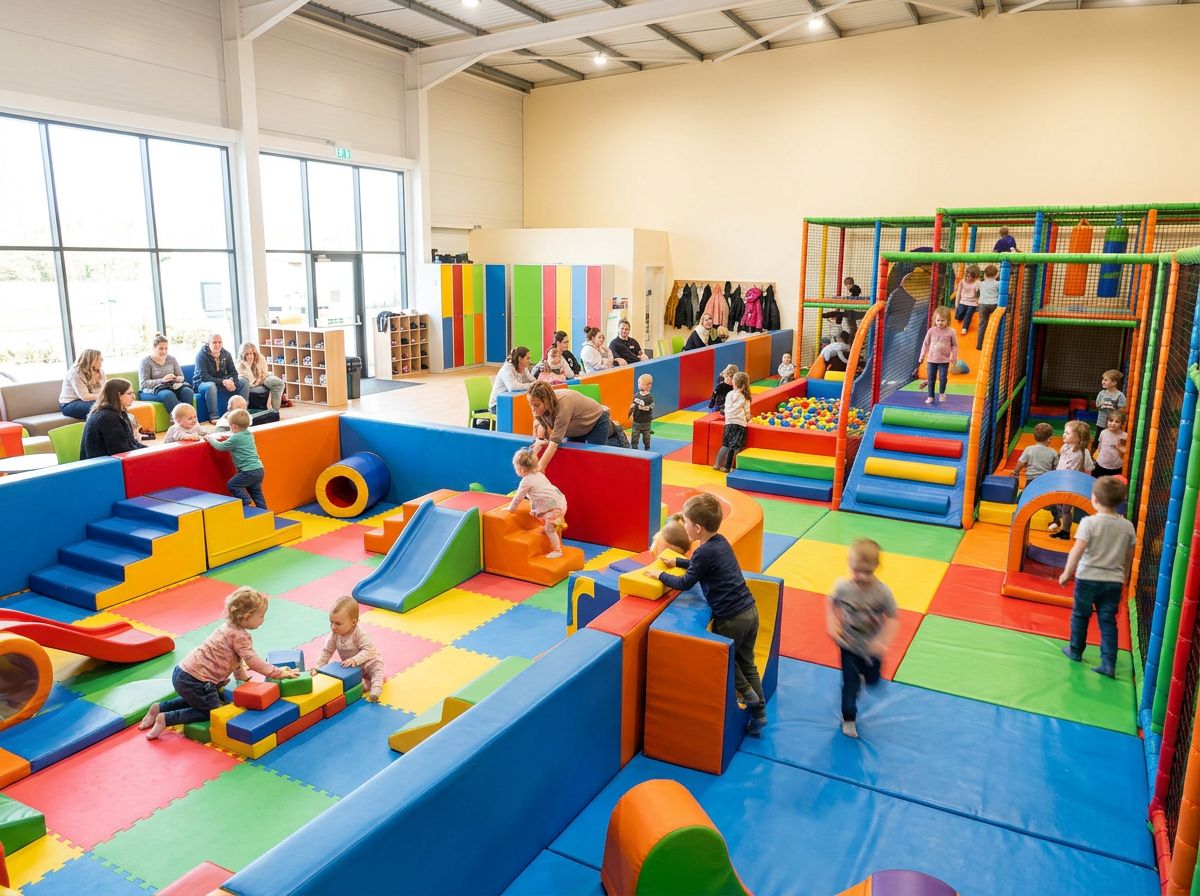
Safety evaluation starts with the equipment itself. Structures should match a child’s age, height, and ability, and separate zones for different age groups are a good sign of thoughtful design. Take a close look at padding, hardware, and surfaces for wear or damage, and note the fall zones around slides, tunnels, and climbing features.
Supervision practices matter just as much as the equipment itself. Find out whether caregivers are expected to actively watch their children, whether staff seem genuinely attentive, and whether clear rules exist around rough play, food, socks, and emergency procedures.
Safety checklist — ask before paying admission:
- Are staff visible and engaged throughout the space?
- Is equipment separated by age or ability level?
- Are rules posted and enforced consistently?
- What is the procedure for injuries or lost children?
- Are caregivers required to stay on-site?
Picture a toddler and an older sibling visiting together. A caregiver might steer the toddler toward a low, enclosed soft-play area while the older child tackles a taller climbing structure, with both agreeing on a visible meeting point in case the group gets separated.
Evaluating Cleanliness and Hygiene
Observable cleanliness—tidy floors, well-kept restrooms, and accessible hand-sanitizing stations—offers a reasonable first impression, though it doesn’t guarantee every surface is germ-free. Check whether food is restricted to designated areas and whether the facility communicates a cleaning schedule or illness policy. If a child is showing contagious symptoms, postponing the visit protects other families. When hygiene policies aren’t clearly posted, it’s worth asking staff directly rather than assuming the best.
Matching the Space to a Child’s Age and Needs
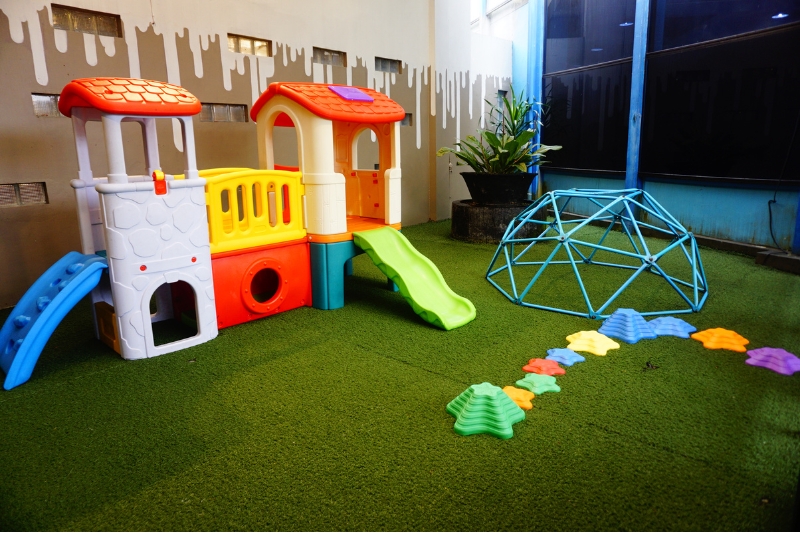
Toddlers and preschoolers generally do best with low-height, enclosed structures, soft surfaces, and simple climbing or imaginative play opportunities where caregivers can keep a clear line of sight.
School-age children often want more of a challenge—obstacle courses, taller climbing features, cooperative games—so checking height, weight, or participation restrictions beforehand can help avoid disappointment at the door.
For children with disabilities or sensory sensitivities, look into wheelchair access, quiet or low-stimulation areas, lighting, and noise levels. Staff should be able to speak to accessibility features specifically, not just offer general reassurances. Contacting the venue ahead of time with precise questions about mobility, sensory, or communication needs tends to be more reliable than relying on marketing language.
Throughout any visit, prioritizing age-appropriate equipment, active supervision, accessibility, and awareness of sensory needs will shape whether the experience turns out genuinely positive.
Comparing Practical Factors Beyond the Play Equipment
Location, parking, admission policies, and time limits all affect whether a visit feels worthwhile. Confirm whether socks or grip footwear are required, whether caregivers must pay admission, and what amenities—seating, nursing areas, lockers—are on offer. Crowding during weekends or school breaks can change the experience considerably.
Before you go:
- Check hours and admission rules.
- Confirm age and height requirements.
- Pack socks, water, and any needed medications.
- Review illness and cancellation policies.
- Plan a meeting point.
Since prices, schedules, and policies shift over time, it’s always worth verifying details directly with the facility before heading out.
How to Judge Reviews and Online Information
Rather than trusting a single rating, compare multiple reviews and give more weight to detailed, recent, specific observations about supervision, cleanliness, or equipment condition. Treat vague praise or extreme complaints with a degree of skepticism, and keep in mind that individual experiences vary by time of day and crowd size.
A Simple Decision Framework for Families
Consider rating any facility across five criteria: safety, developmental fit, cleanliness, accessibility, and practical value. Safety and accessibility should generally outweigh novelty or appearance.
Key takeaway: The right indoor play space is the one that fits the child—not necessarily the one with the most attractions.
Making the Visit More Successful
Before children start playing, take a few minutes to observe the environment, go over the rules together, and set expectations about sharing and hydration. Indoor play delivers the most value when it combines safe movement, exploration, and genuine enjoyment. Use this checklist to compare local options, and don’t hesitate to contact facilities directly when important details aren’t clearly available.