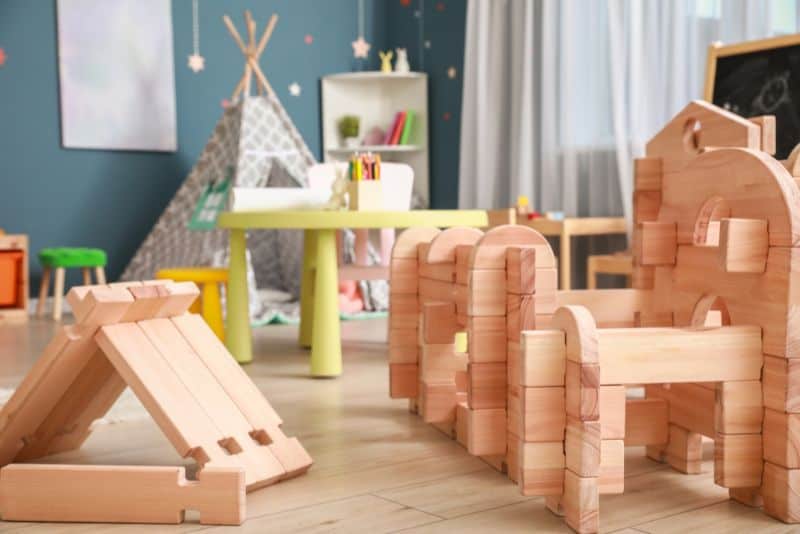
We build a lot of forts around here, and most of them last about an afternoon. The bedsheet draped over two chairs sags by lunch, and by dinner it’s a pile of laundry. What we’ve come to love instead is the raised cubby, the little platform that sits on top of some swing sets. It does everything a fort does, and it’s still standing tomorrow.
Give a kid a small platform up off the ground and the story writes itself. Who lives here? Who’s allowed up the ladder, and what’s for sale today? You don’t have to prompt any of it. Here’s how we keep that play fresh, and how to set the whole thing up so it lasts.
Start with the cubby as a blank stage
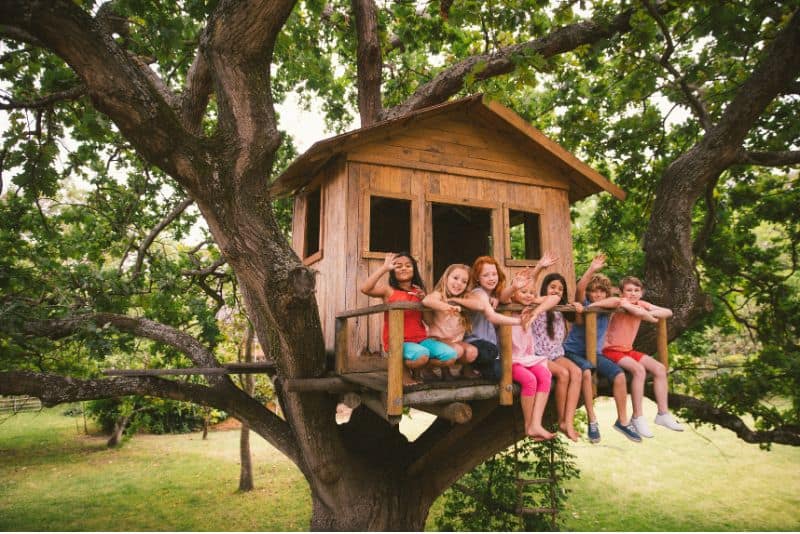
The best thing about a raised cubby is that it isn’t anything yet. That’s the point. One morning it’s a house with a very strict doorbell policy. That afternoon it’s a bus, and everyone needs a ticket. We try not to decide for them. A basket of loose parts left at the bottom of the ladder does more than any themed playset: scarves, pegs, a few pots, some pinecones, an old steering wheel if you have one.
If your kids stall, a single prop restarts things. A cash box turns it into a shop. A jug of water and some cups, and suddenly it’s a cafe with a two-hour wait.

Ideas to try up in the cubby
Here are the setups that get the most mileage in our yard.
- A corner shop. Leaves are money and pebbles are produce, and you will be asked to pay for things you already own.
- A lookout or pirate’s nest. Binoculars and a lot of shouting about what’s on the horizon.
- An outdoor art nook. This is the one we come back to most. Tape paper to the rail, haul up the washable paints, and let the drips fall where they may. Nobody’s protecting a carpet.
- A den or reading fort. Cushions, a blanket, a book basket, and a “closed” sign for when the story runs out.
Give the pretend play a permanent home base
A raised cubby is really just a blank stage: one week it is a corner shop trading leaf money and pebble produce, the next it is a pirate lookout, and the week after that a shady nook for painting outdoors where the mess does not matter. If you want that rotating scene to have somewhere permanent to live, a swing set with a built-in cubby house gives the whole game a fixed address in the backyard. Vuly is an Australian play-equipment maker that now ships across the US. Their Max sets pair that raised cubby with add-on swings and climbing ropes you can clip on and off as the game changes, so the same frame carries a nest swing in spring and gym ropes by late summer.
That clip-on part is what keeps it interesting. A structure that never changes gets ignored by about week three. One you can rearrange stays in the game, because the kids get a say in what goes on it next.
Add ropes and swings for the wild stuff
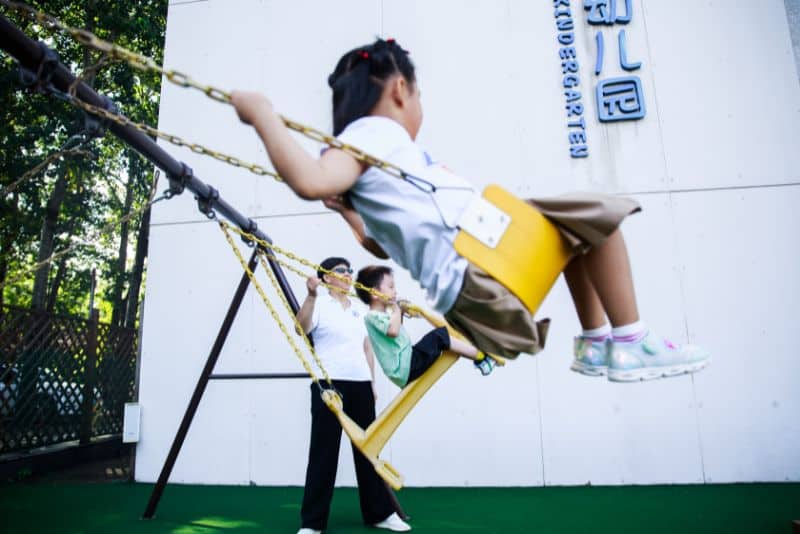
Pretend play and gross-motor play feed each other, so we like having both in one spot. A climbing rope becomes the way up to the ship. A nest swing turns into a boat that four kids pile into at once. Add-on swings that spin or bounce give younger siblings something to do while the big kids run the story overhead.
It doesn’t all have to arrive at once. Start with the frame and a couple of swings, then add a rope or a set of rings when the play asks for it. Watching what your kids reach for tells you what to add next.

Refresh the scene through the year
The trick to keeping any backyard spot alive is changing it before the kids get bored, not after. Small parent-made props do this cheaply, and they make good rainy-day projects too.
Sew or no-sew some bunting for a birthday week. String fabric flags for a “grand opening” of the shop. Hang a chalkboard panel on the rail so the menu and the day’s ticket prices can change every morning. In fall we swap in a garland and it becomes a spooky lookout. In spring the paints come back out.
None of this needs to be neat. Wonky bunting and a smudged chalkboard are half the charm, and your kids will want to help make them, which is its own afternoon.
Keep the play going
You don’t need much for any of this: a platform to climb and a box of odds and ends. The rest is just letting the shop close and reopen as a rocket ship five minutes later. Set it up so it can change and hand over the props. Then get out of the way. That’s where the good play happens.