
Free banking sounds simple until you read the details, because a $0 monthly account can still have costs tied to certain services or activities. In 2026, the useful question is not only whether an account has a monthly charge. It is what everyday banking is included, what sits outside the package, and whether the setup matches how you actually move money.
That distinction matters because the Canadian market now includes several kinds of low-cost banking. Some institutions offer an account with no recurring monthly charge to a broad group of consumers. Separately, the federal Low Cost and No Cost Accounts Commitment requires participating federally regulated institutions to provide qualifying basic banking options under specific rules. A search such as free bank account Canada can therefore surface products with different features and eligibility conditions.
For readers who want to inspect a current personal banking example, Innovation Federal Credit Union lets you open a no-fee chequing account by the link. The account currently has $0 monthly fees, no minimum balance, unlimited debit transactions, and no charge for Interac e-Transfer® transactions. Surcharge-free withdrawals apply through the ding free® ATM network, while some services outside those everyday features can still carry charges.
What Free Means in 2026
Monthly Fees Are Only One Layer

The clearest form of no monthly fee banking is an account that does not charge simply for remaining open each month. That is different from an account where a monthly charge disappears only if you meet another condition.
For example, some banking packages waive fees when you maintain a certain balance. The service may cost you nothing in a given month, but the waiver depends on keeping cash in place. A true absence of a minimum balance requirement gives you more freedom to use that money elsewhere.
When comparing options, separate these ideas:
- Monthly account charge: Is there a recurring fee just for having the account?
- Balance condition: Must you keep a set amount to avoid that fee?
- Included activity: How many purchases, withdrawals, bill payments, and transfers are covered?
- Extra services: Do ATM, cheque, overdraft, or international services carry separate charges?
That framework gives you much better banking fees explained than the word free on its own.
Unlimited Needs a Definition
The word unlimited is useful only when you know what it covers. In a chequing account, unlimited transactions may include debit purchases, bill payments, and other everyday debits. It does not automatically mean every possible banking service is free.
ATM networks are a good example. The personal account discussed above includes unlimited debit transactions and surcharge-free access through participating ding free® ATMs. Its August 2026 fee document also lists a $2.50 fee for an Interac ATM withdrawal and $4 for a CIRRUS® ATM withdrawal when those charges apply. Cheques are provided at cost.
The same test applies to e-transfer fees. Do not assume that every account with no monthly charge includes unlimited Interac e-Transfer® activity. Confirm whether sending transfers costs money, whether there is a monthly allowance, and whether limits apply.
Free Should Fit Your Habits
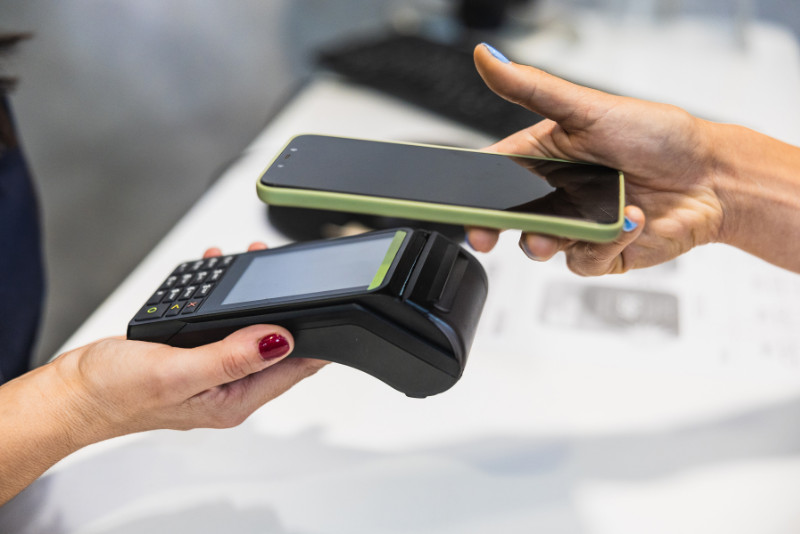
Your normal debit card usage matters more than a long feature list. Someone who makes dozens of card purchases and digital transfers each month needs a different setup from someone who mainly receives deposits and makes a few bill payments.
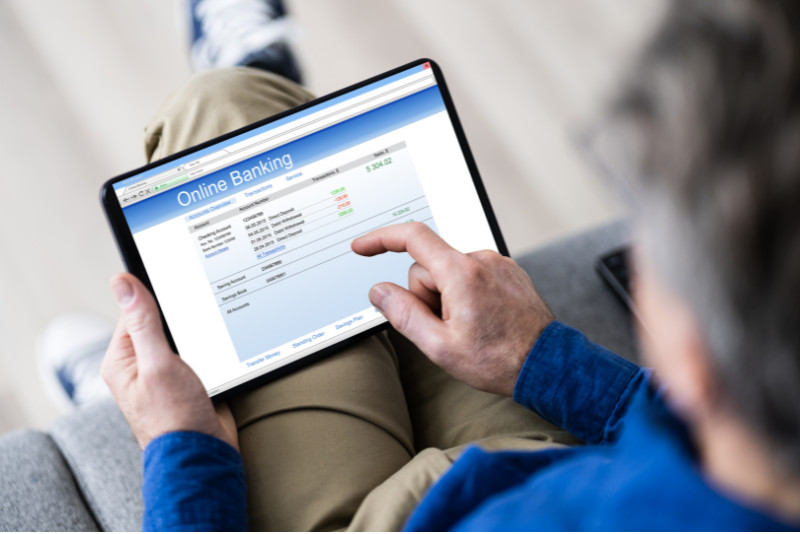
Likewise, digital banking access should include the functions you actually use. Check whether you can pay bills, review transactions, deposit eligible cheques, move money, and manage the account through online or mobile banking.
This is why searches for no-fee chequing account Canada should lead to a fee schedule as well as a product page. The product page describes everyday account benefits. The fee schedule shows where the boundaries sit.
Where Fees Can Still Appear
No fee does not mean every unusual event costs $0. You can still encounter charges for services that sit outside normal daily banking. These may include non-network ATM withdrawals, replacement cards, stop payments, special cheques, wire transfers, overdraft arrangements, or closing an account soon after opening.
There has been an important change for one common penalty in 2026. Since March 12, federally regulated institutions cannot charge more than $10 for a nonsufficient funds fee on a personal deposit account. The federal government also limits repeated charges and prevents the fee when the shortfall is less than $10. The Financial Consumer Agency of Canada explains the 2026 rules that cap NSF fees and recommends reviewing banking agreements, so you understand other charges that may still apply.
That change does not remove the need to examine hidden bank fees Canada consumers sometimes overlook. Hidden does not necessarily mean undisclosed. Often, the fee appears in an agreement but is easy to miss because it relates to an activity you do not expect to use. That is why reviewing the account agreement matters.
For that reason, an account with a $0 monthly fee can still be genuinely useful while having a separate fee schedule. The important point is transparency. Frequent activities should fit the account, while occasional charges should be understood before they occur.
How to Compare No-Fee Accounts
People searching for the best free chequing account should treat best as a personal comparison, not a universal ranking. One person may prioritize unlimited electronic activity. Another may need branch access, a wide ATM network, or straightforward international use.
The federal picture also changed in late 2025. Under the modernized Low Cost and No Cost Accounts Commitment, all Canadians can access qualifying low-cost banking options from participating institutions for no more than $4 per month. Eligible groups can receive qualifying service at $0 per month. Those options must include at least 18 debit transactions, no minimum balance, and several other basic services.
Before opening an account, ask:
- Count your activity: Review one or two recent months of purchases, transfers, withdrawals, and bill payments.
- Check the ATM network: Make sure convenient surcharge-free machines exist where you live and travel.
- Read the fee document: Look beyond the monthly price to occasional service charges.
- Review eligibility: Confirm age, residency, membership, or other opening conditions.
- Compare access: Decide how important branches, mobile tools, and telephone support are to you.
Finally, a credit union vs big bank comparison should focus on the actual account rather than the institution label. Fee structures, digital tools, ATM access, and membership models differ, so compare the services you will use most.
In 2026, free banking has a clearer meaning when you look beyond the headline. A strong account removes recurring costs from the transactions you use most while making other charges easy to find and understand. A clear comparison can keep more of your money working for you.